Discover the perfect product for your 4.0 Industry
Our products
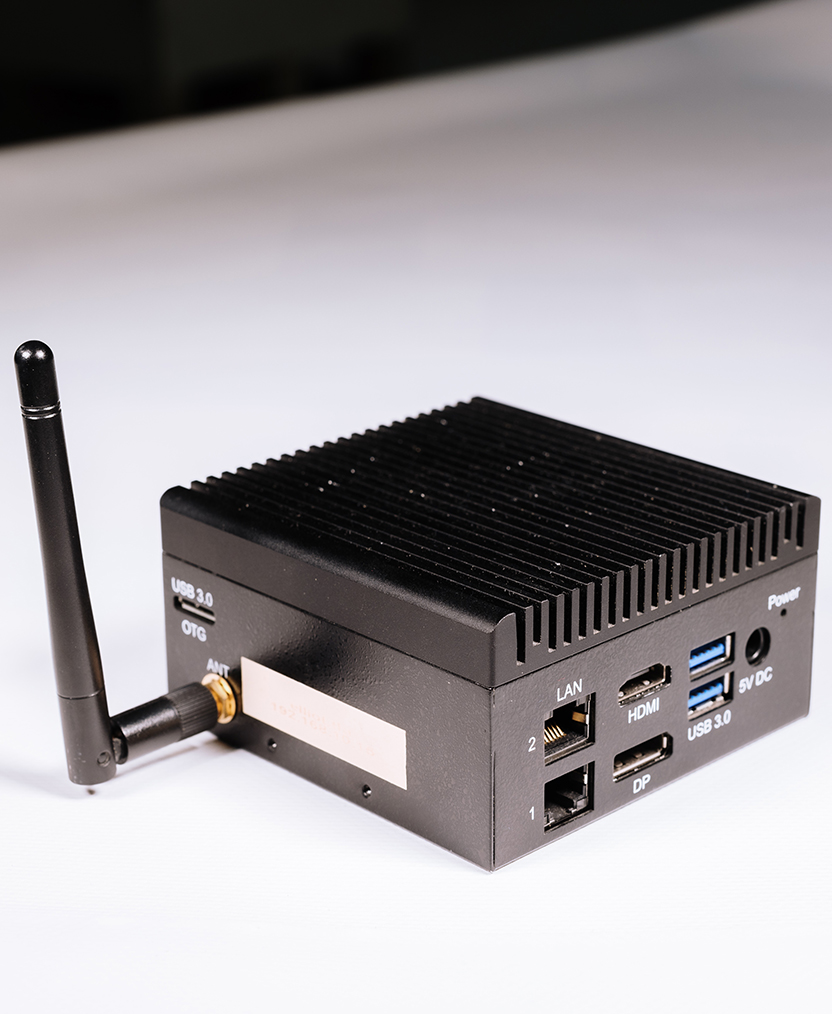
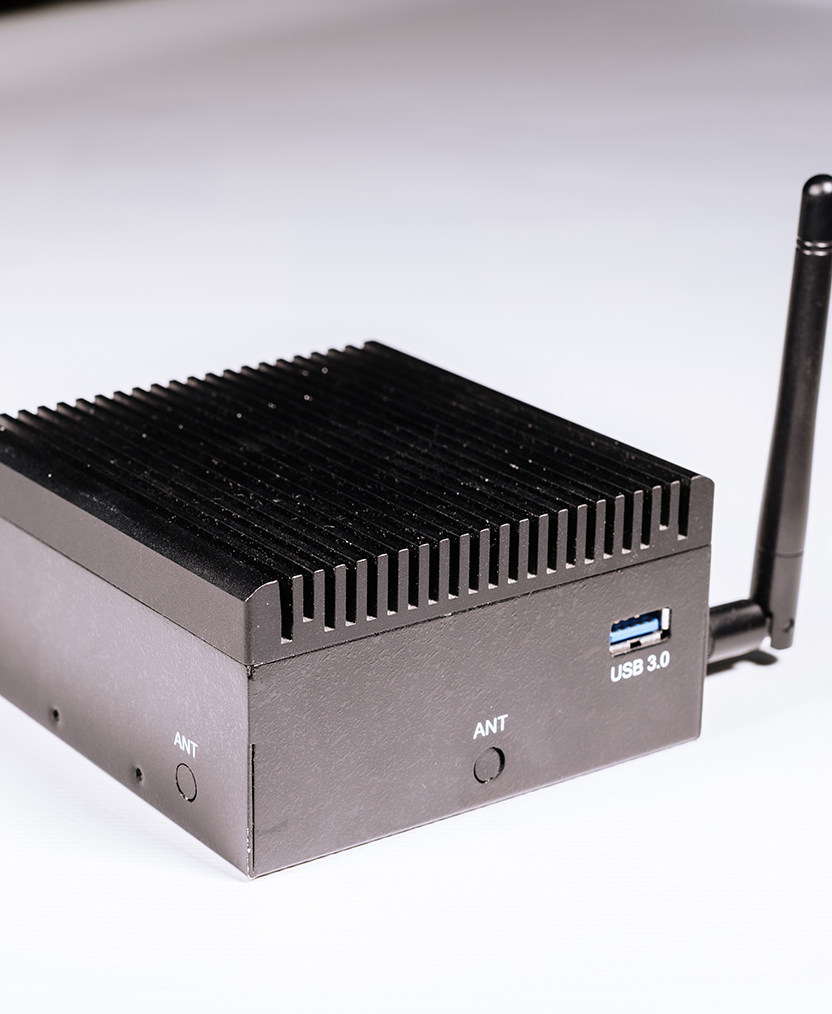
Ell-IoT
Our answer to the industrial need for interconnection between O.T and I.T systems is called Ell-IoT: it keeps up to 256 devices connected at the same time, with several drivers available.
This gateway reads raw data from the field (O.T level) and from multiple devices, and makes the resulting data available to the systems operating at I.T level.
In addition, dedicated drivers can be implemented for third-party devices at the customer’s specific request.
Field data acquisition via:
- Siemens S7 TCP
- Modbus TCP/RTU
- Omron FINS
- EtherNet/IP
Data sharing to cloud or server via:
- MQTT
- JSON
- XML
- OPC UA
- REST API
- Socket
- File (FTP)
- OPC UA Client-Server communication
- Read/write to local or remote DB

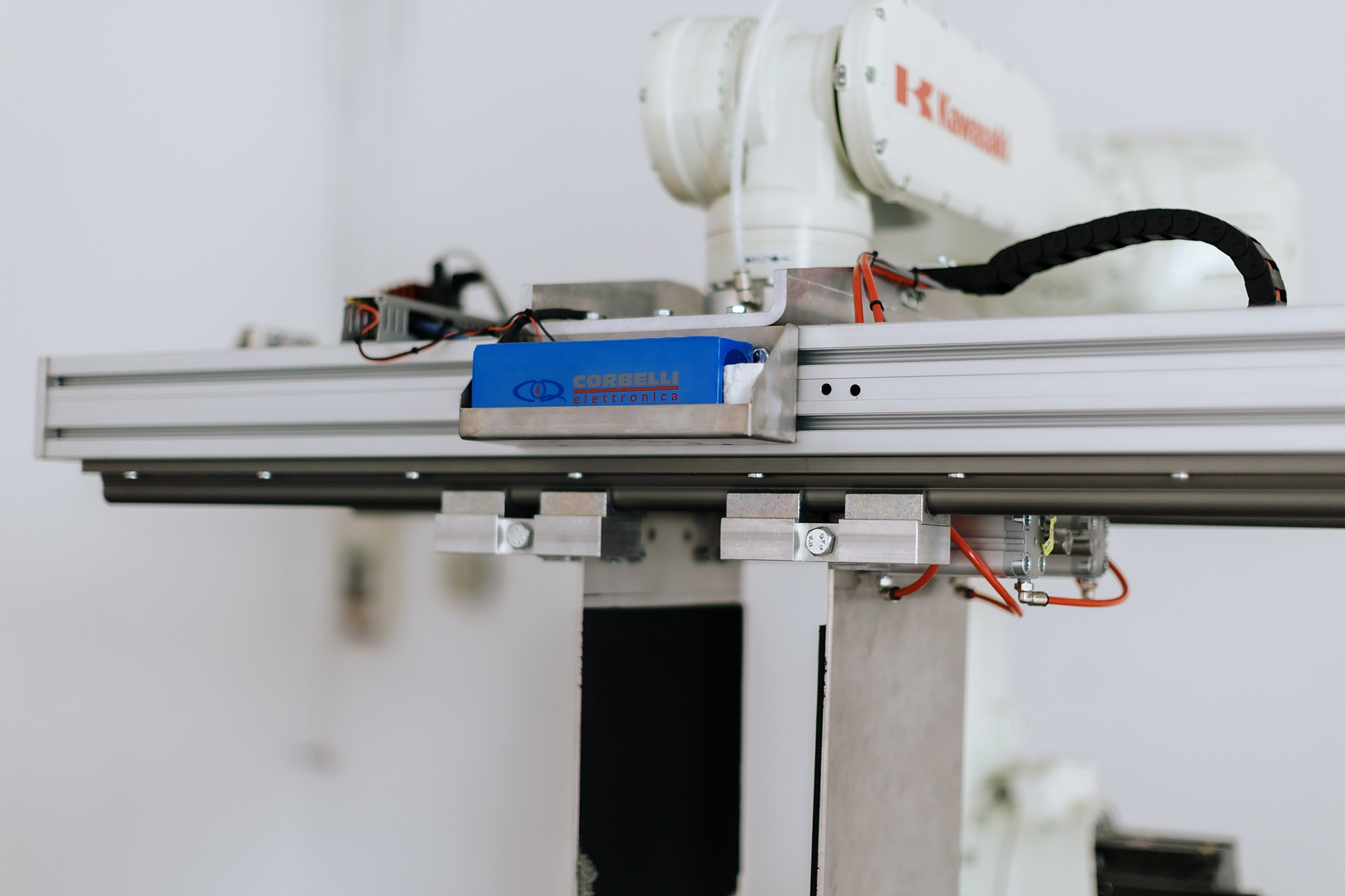
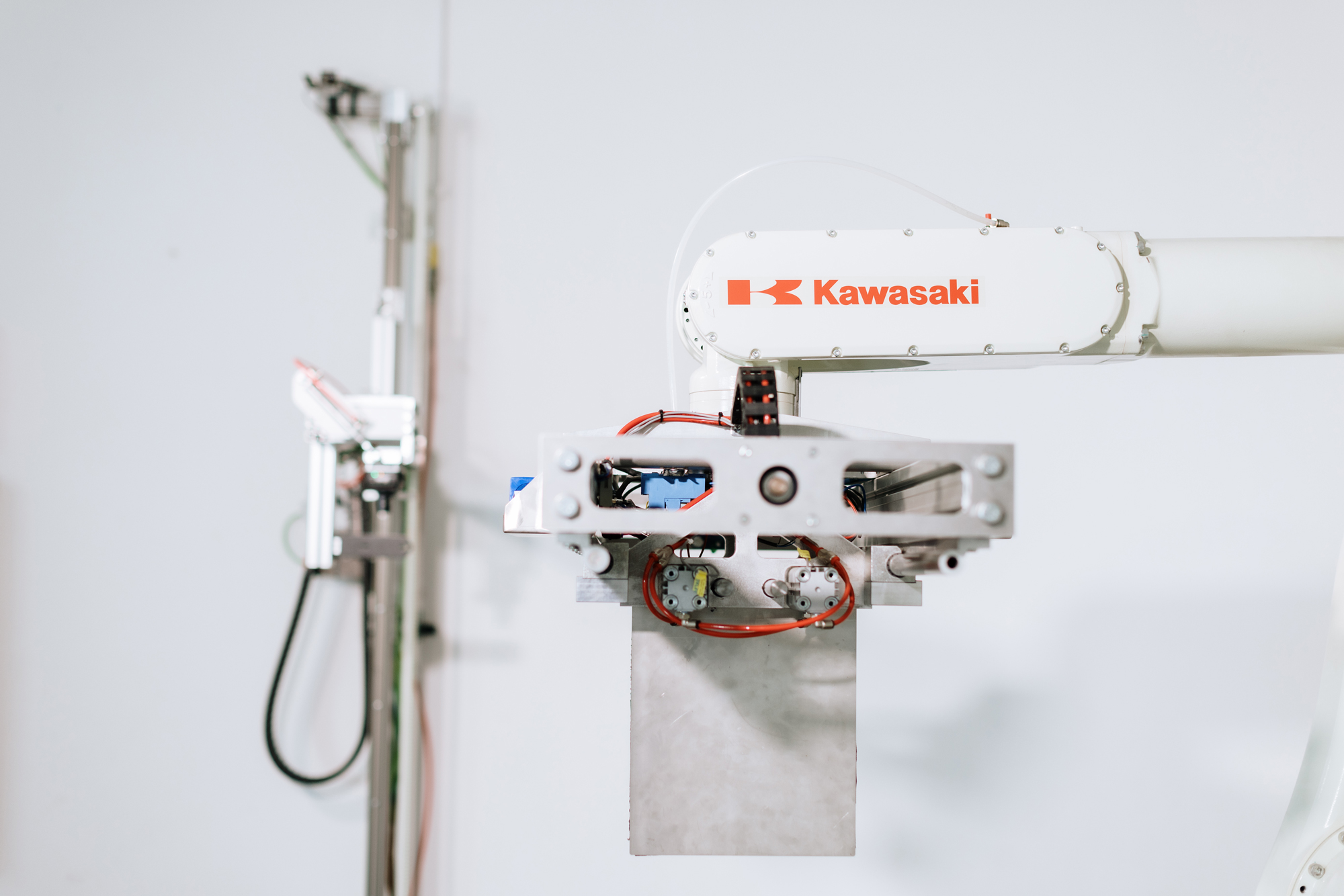
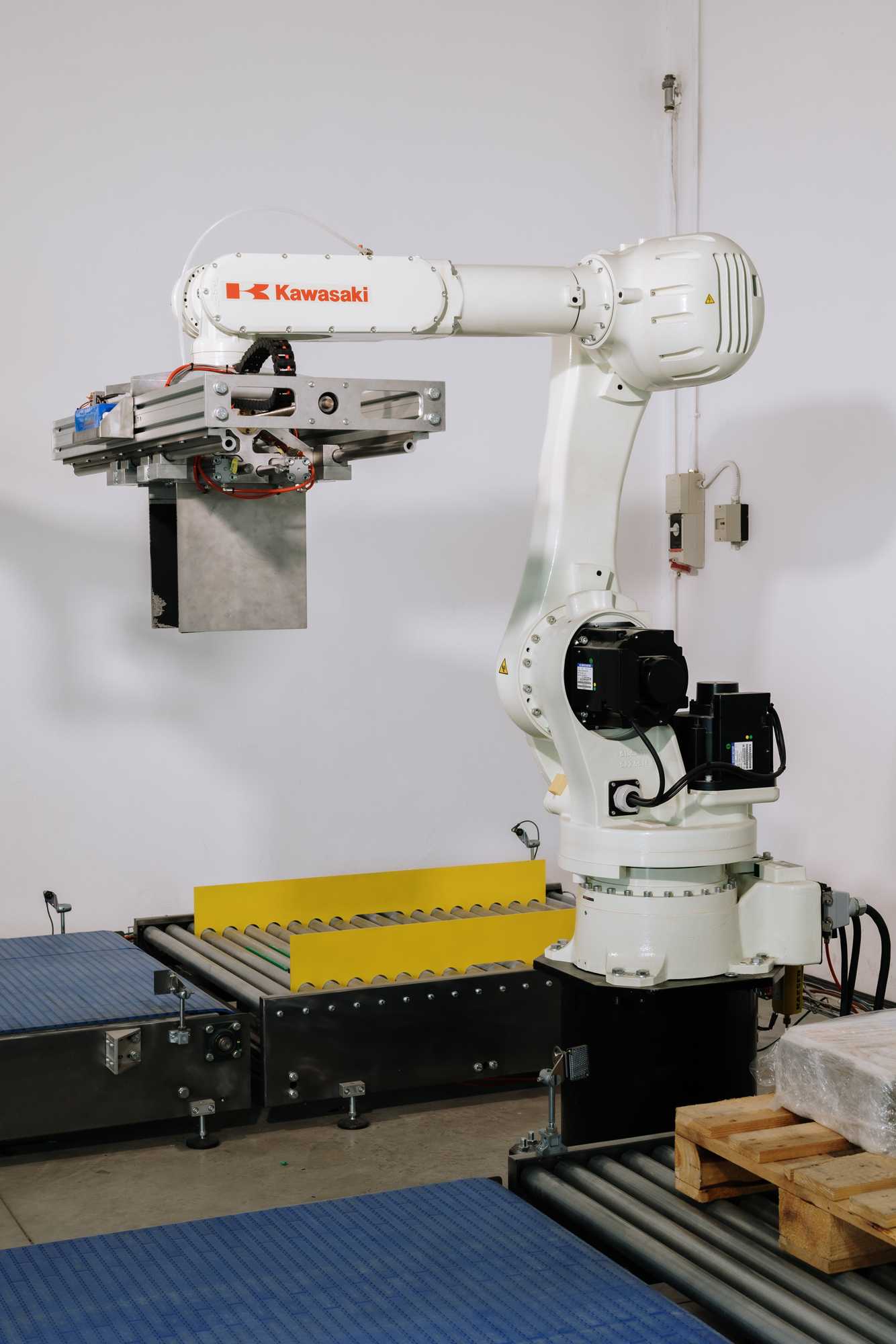
NGW ROBOT GRIPPER
(The New Gripping Way)
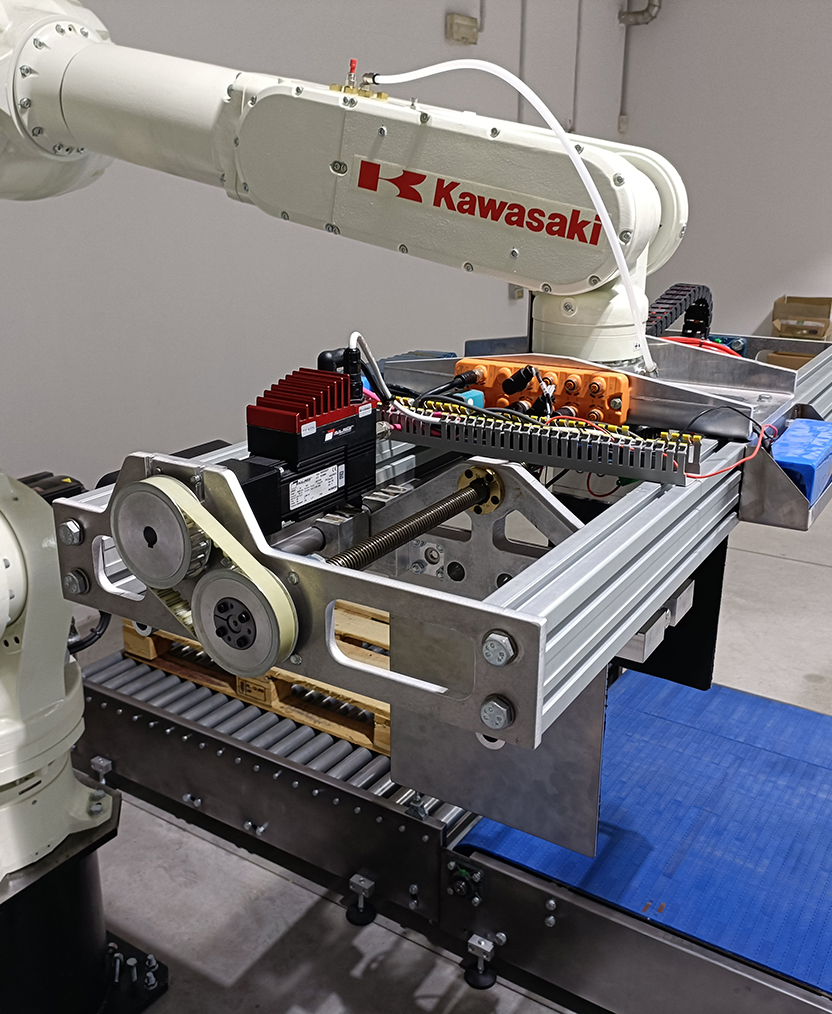
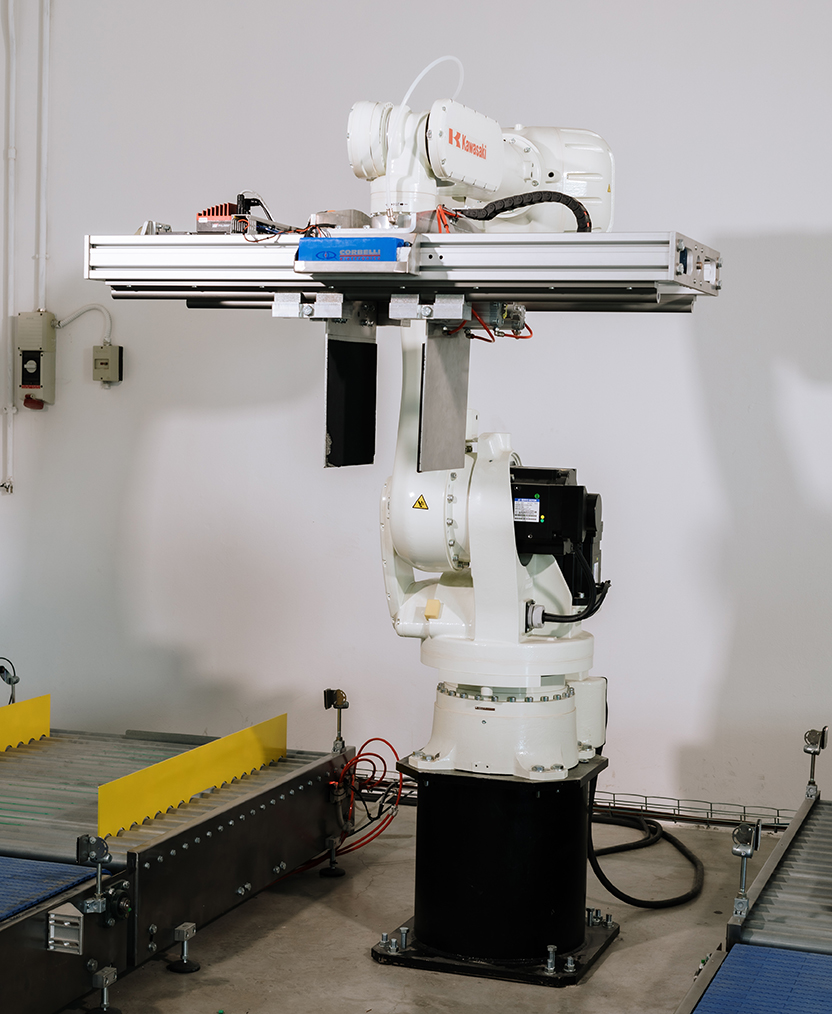
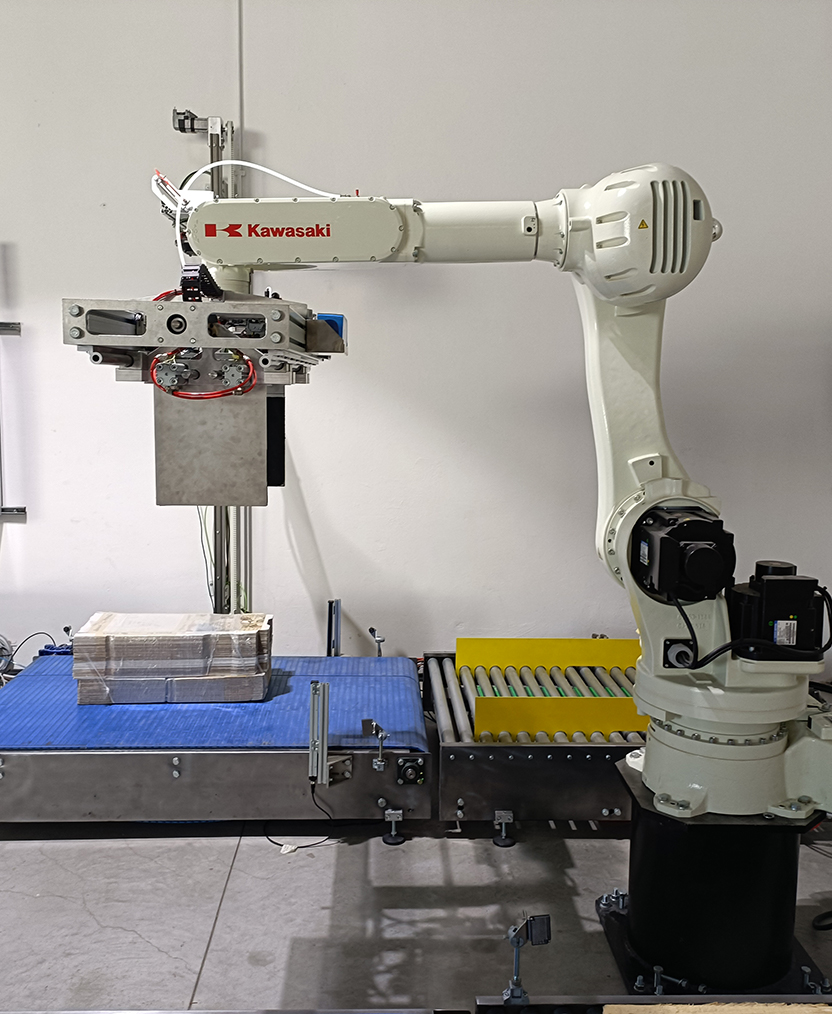
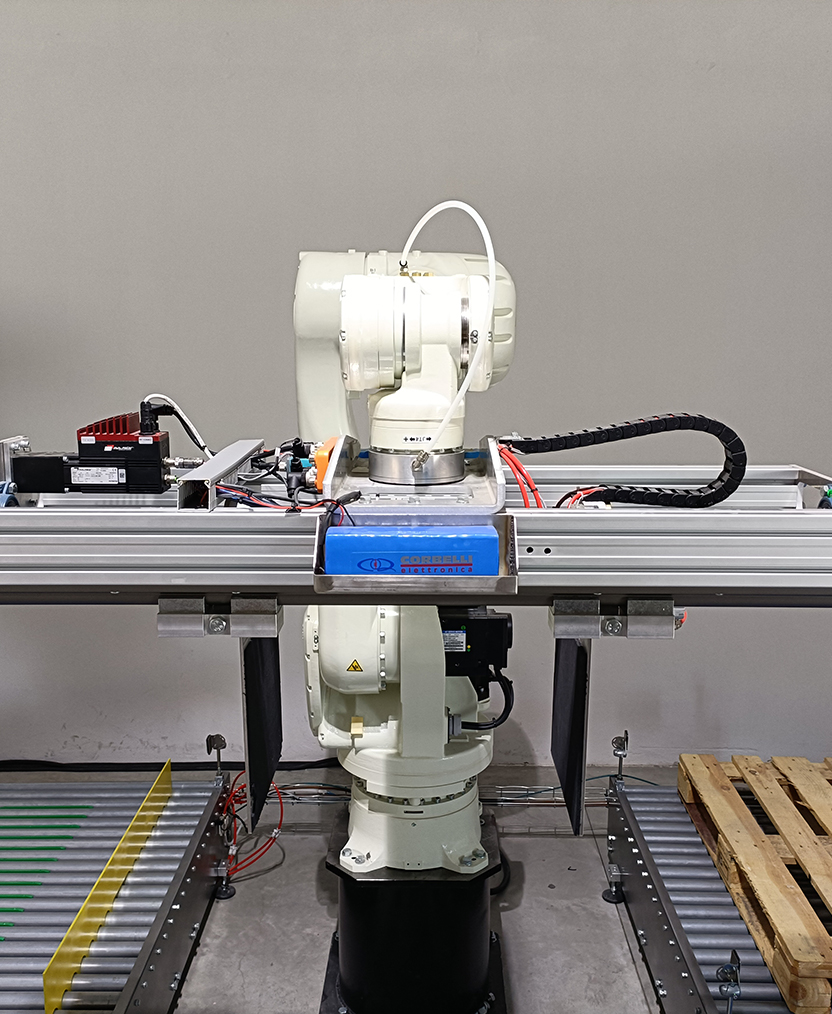
The first completely Wireless and Tubeless robot gripper
Structure:
- I/O management island with data exchange device
- Brushless + Servodrive system with 48VDC battery power supply
- Access-point for data exchange
- Rotating manifold to release compressed air distribution on the gripper
- 24 VDC battery for electronic power supply on the gripper
- Mobile gripper controlled by a pair of pneumatic mini-cylinders
The real advantages:
- Less weight for the same performance
- Total absence of electrical cables and pneumatic hoses from the robot head to the base
- Cost savings due to drastic reduction of cables to the control panel and elimination of any type of cable chain
- A full 360° rotation is possible with significant increase of operability for the device


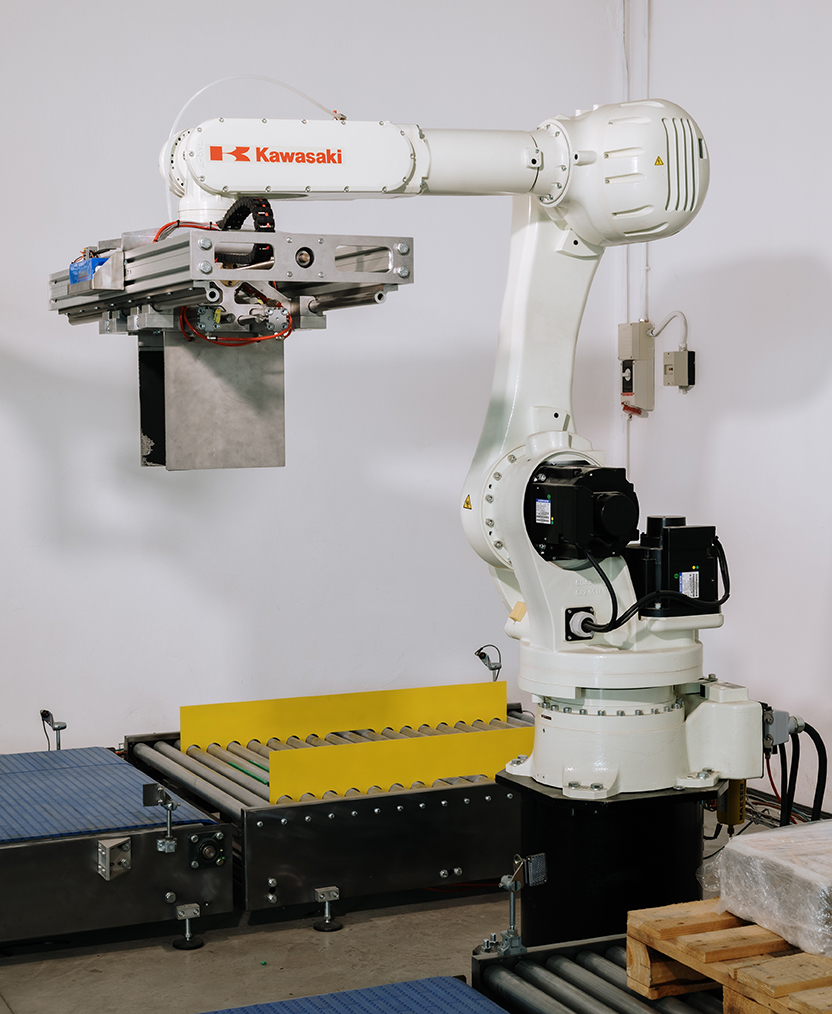
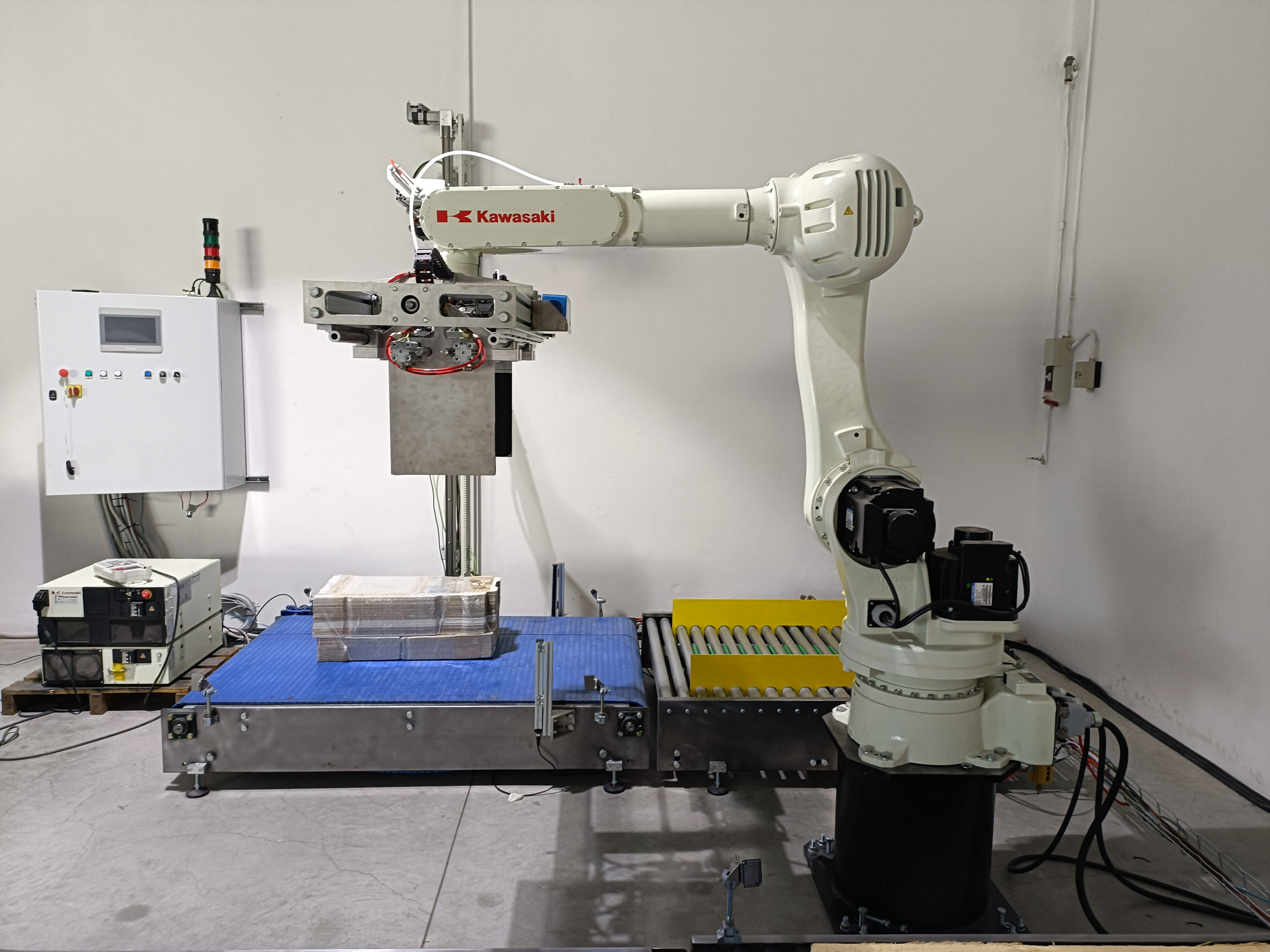
Robotized cells
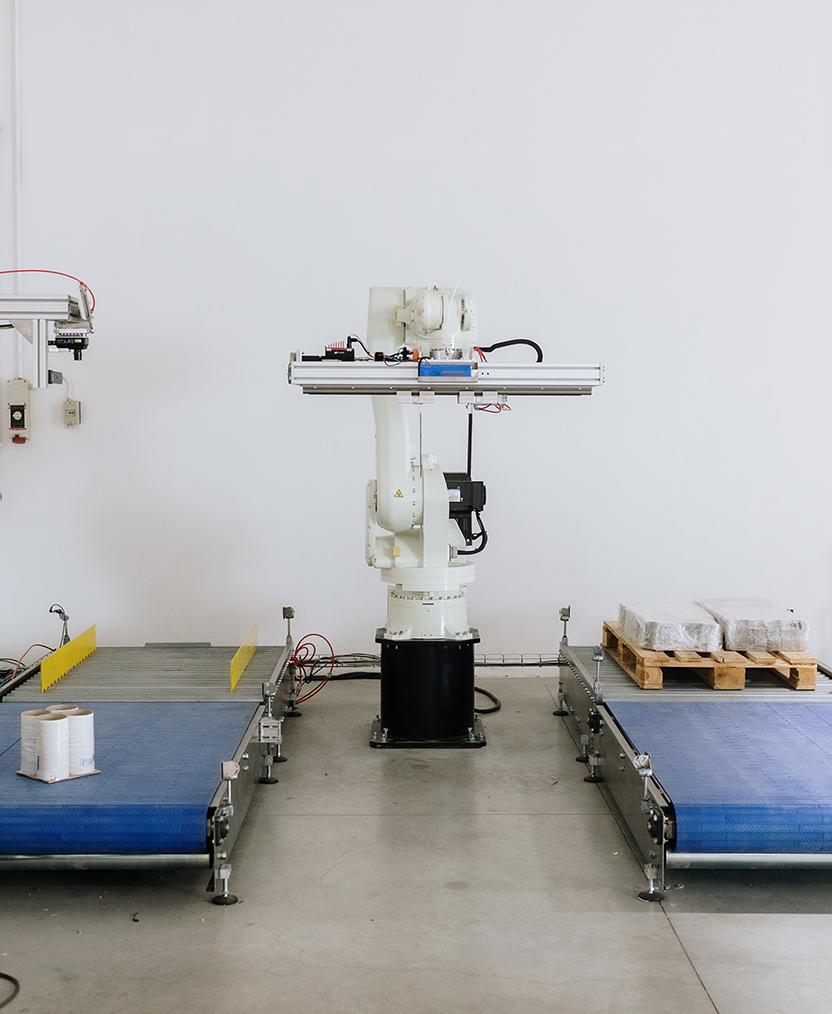
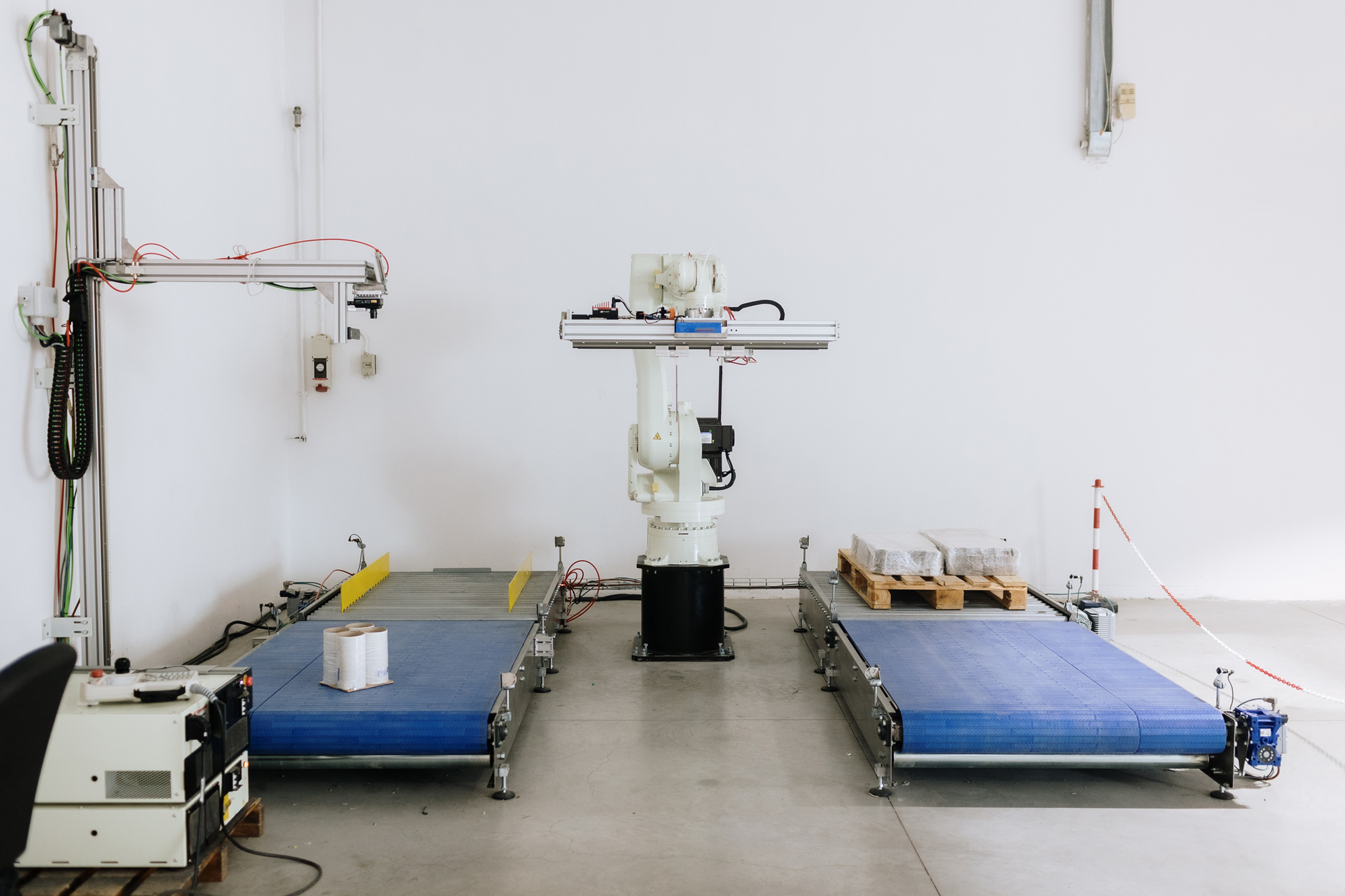
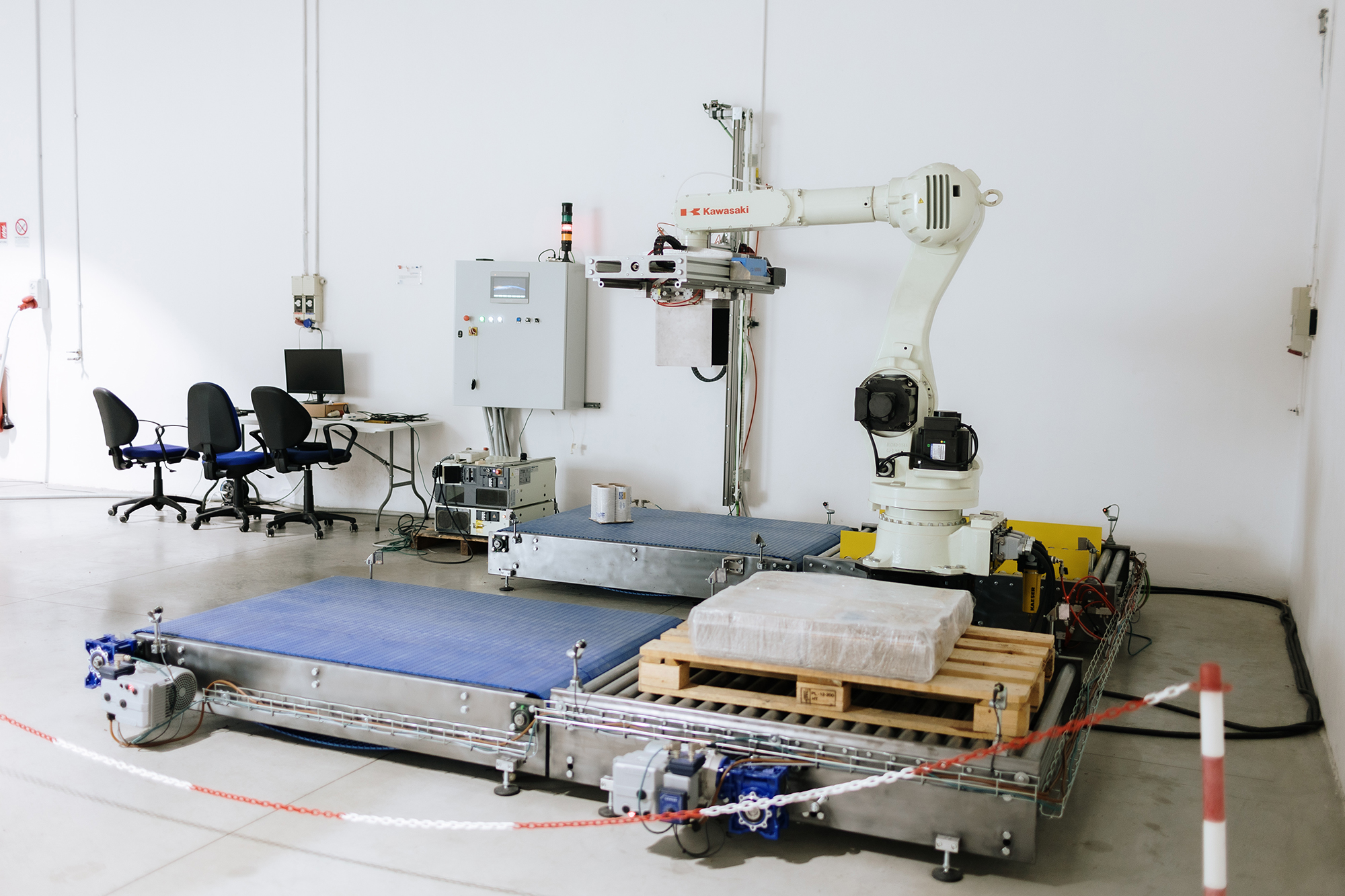
TFA is in the business of building highly customized robot cells which are integrated with the customer's production reality.
Robotic systems guarantee high levels of reliability and flexibility. Thanks to their technology, they offer quality performance to meet the requirements of a wide range of different production processes.
This is achieved by conducting feasibility studies through accurate simulations and using various programmers, such as:
- RobotGuide (Fanuc)
- RobotStudio (ABB)
- KUKA WorkVisual (KUKA)
- Inventor 2024
- Solidworks
- MATLAB/Simulink
- R.O.S. - Gazebo







ARI Project
The “ARI” Project is a self-learning robotic system capable of sorting waste quickly and efficiently. It is equipped with an A.I. system using advanced neural networks.
This system performs a separation/sorting of the material using separator belts at different speeds. The waste reaches the area where the vision system acquires images of the various objects; this will send the coordinates of the objects to the robotic part of the system: DELTA robots will pick up and discard certain waste among those that can be sorted, the other anthropomorphic robots equipped with a suction system gripper will recover the resting waste already sorted but not picked up by the first line of robots.
Benefits and innovative impact:
- Management of a high range of waste, such as paper, plastic, aluminum, PET and Tetrapak;
- Environmental and climate protection through:
- increased efficiency;
- increased recycling rate;
- reduction of energy consumption and gas emissions into the atmosphere;
- possibility of selling or recycling the recovered material, allowing it to be sent back into the production cycle.